Дом / Новости и события / Новости отрасли / Объяснение элементов 314Ah: как серия Deye GE-F достигает 8000+ циклов
-
 БЫСТРАЯ ДОСТАВКА
-
 КОНКУРЕНТНАЯ ЦЕНА
-
 ОТЛИЧНОЕ ПОСЛЕОБСЛУЖИВАНИЕ

Получить бесплатную цену
 0
0


Новости отрасли
Jul 14,2026
Объяснение элементов 314Ah: как серия Deye GE-F достигает 8000+ циклов
Появление аккумуляторов высокой емкости 314 Ач: как серия Deye GE-F достигает срока службы 8000 циклов
Числа срока службы в паспорте батареи через некоторое время имеют тенденцию сливаться воедино — 6 000, 8 000, 10 000, и все они находятся примерно в одном и том же районе «достаточно долго». На самом деле их редко разделяет сама химия. Литий-железо-фосфат в течение многих лет использовался по умолчанию в составе C&I. Отличительной особенностью является архитектура ячеек: сколько ячеек находится в пакете, какой ток пропускает каждая из них и насколько равномерно по ним распространяется тепло. Вот история элемента емкостью 314 Ач, питающего аккумулятор Deye. мелкомасштабные решения C&I ESS , и именно поэтому серия батарейных шкафов для наружного применения GE-F128/F240/F256 рассчитана на 8000 циклов при 0,5°C и 25°C до 70% окончания срока службы.
От 100 Ач до 314 Ач: меньше ячеек, меньше точек отказа
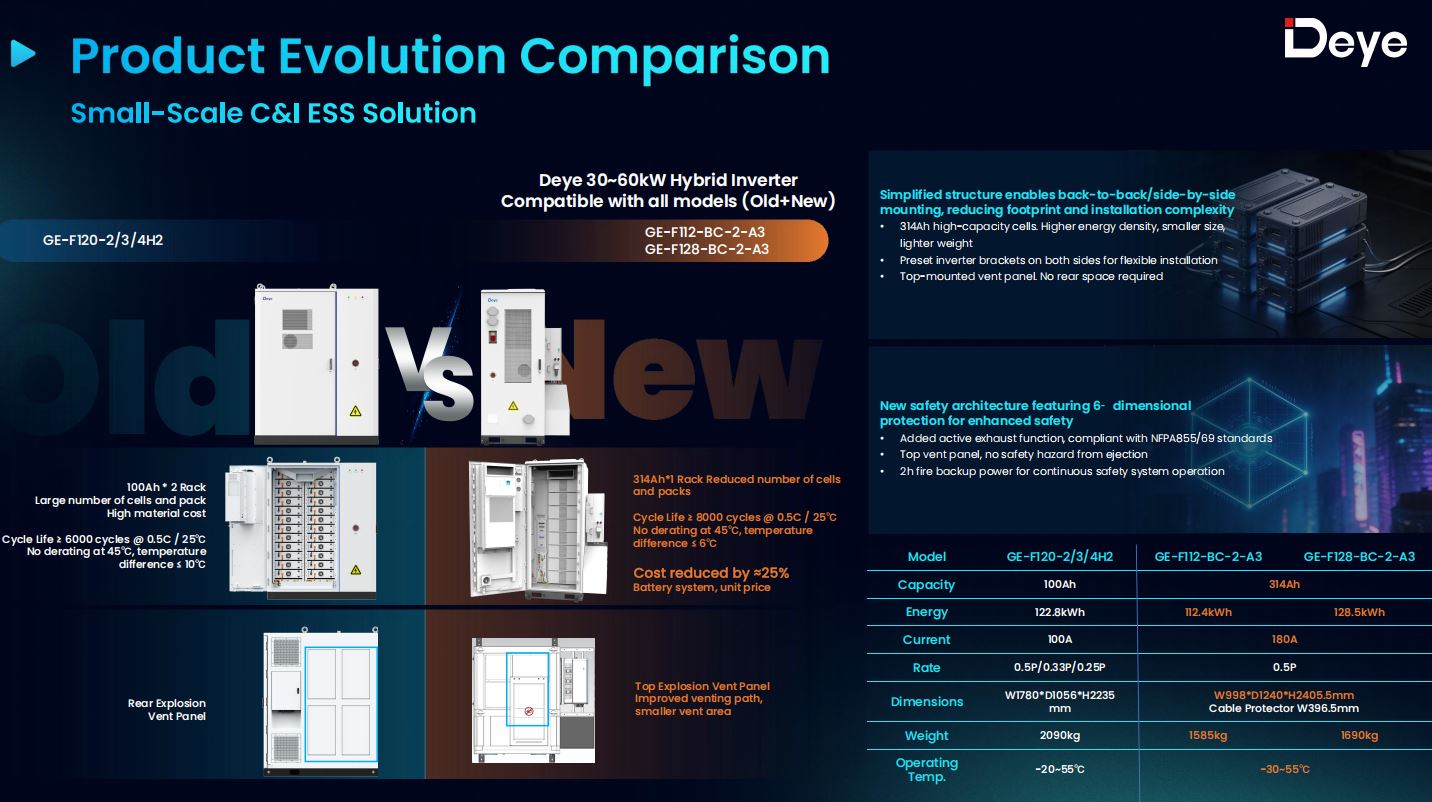
Шкаф предыдущего поколения Deye, GE-F120-2/3/4H2, построен из элементов емкостью 100 Ач, расположенных в две стойки глубиной. Чтобы получить полезный показатель энергии, нужно было собрать большое количество отдельных ячеек меньшего размера, что умножило количество последовательных/параллельных соединений, шинных соединений и сварных швов внутри блока — каждый из которых является потенциальной точкой сопротивления, и каждая точка сопротивления генерирует тепло под нагрузкой.
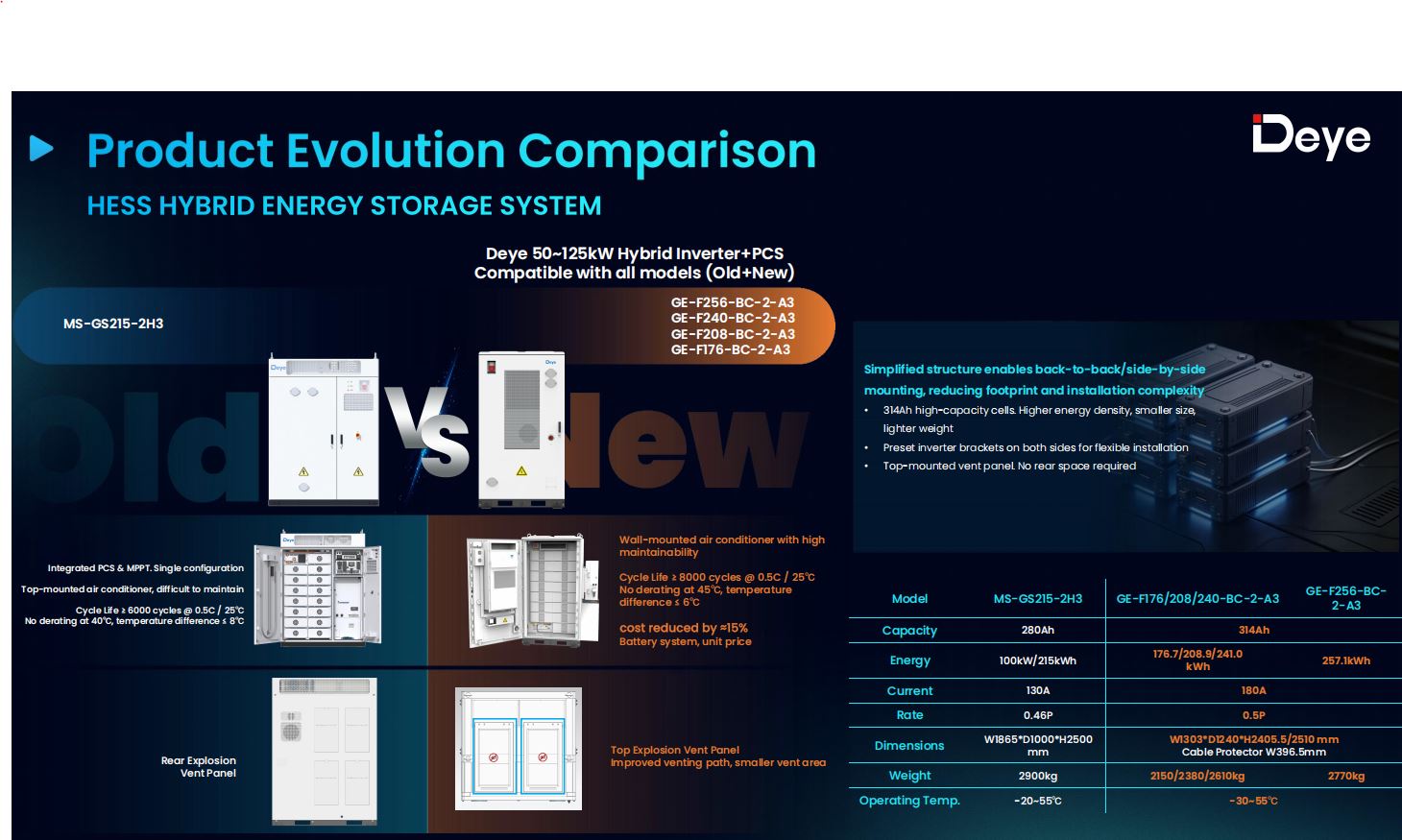
В серии GE-F это объединено в одну ячейку емкостью 314 Ач на позицию, подключенную 1P16S к модулю 51,2 В, 16,08 кВтч. Шкафу GE-F128 требуется всего 8 таких модулей, чтобы достичь мощности 128,5 кВтч; GE-F256 нужно 16, чтобы достичь 257,23 кВтч. Меньшее количество ячеек большего размера означает более простую внутреннюю проводку, меньшее количество соединений, которые могут выйти из строя в течение 10-летнего гарантийного периода, и — поскольку затраты на производство и сборку масштабируются в зависимости от количества деталей, превышающего исходную мощность — цена за единицу продукции примерно на 25 % ниже на платформе GE-F128 и примерно на 15 % ниже на платформе GE-F240/256 по сравнению со старой конструкцией.
Что на самом деле означает «8000 циклов»
Рейтинг не является маркетинговым раундом — он связан с конкретными условиями тестирования: Скорость зарядки/разрядки 0,5°C, температура окружающей среды 25°C, циклическое переключение до 70 % емкости по окончании срока службы. . Это стандартный для отрасли способ определения срока службы, и он напрямую сопоставим с номиналом аккумулятора предыдущего поколения, составляющим 6000 циклов при тех же условиях 0,5C/25°C. Увеличение номинальных циклов на 33% при той же скорости разряда у элемента с примерно утроенной емкостью на единицу указывает на действительно другую внутреннюю конструкцию, а не на более строгие стандарты испытаний.
С практической точки зрения, при одном полном цикле в день 8000 циклов составляют примерно 21–22 года, прежде чем аккумулятор ухудшится до 70% от своей первоначальной емкости — что намного превышает 10-летний гарантийный срок шкафа и достаточный запас, чтобы большинство операторов C&I вывели из эксплуатации или повторно включили объект по причинам, отличным от деградации батареи.
| Метрика | GE-F120-2/3/4H2 (предыдущее поколение) | GE-F112/128 / GE-F176–256 (текущий поколение) |
|---|---|---|
| Емкость ячейки | 100Ач | 314Ач |
| Цикл жизни | ≥6000 циклов при 0,5°C/25°C | ≥8000 циклов при 0,5°C/25°C |
| Максимальный ток заряда/разряда | 100А | 180А |
| Порог без снижения характеристик | 45°С | 45°С |
| Разница температур ячейки | ≤10°С | ≤6°С |
Тепловая конструкция, лежащая в основе рейтинга
Заявления о сроке службы быстро разваливаются, если аккумулятор нагревается или работает неравномерно, поскольку неравномерная температура элементов является одним из самых быстрых способов ускорить деградацию самых горячих элементов в стопке. Именно здесь архитектура охлаждения серии GE-F делает реальную работу по увеличению срока службы.
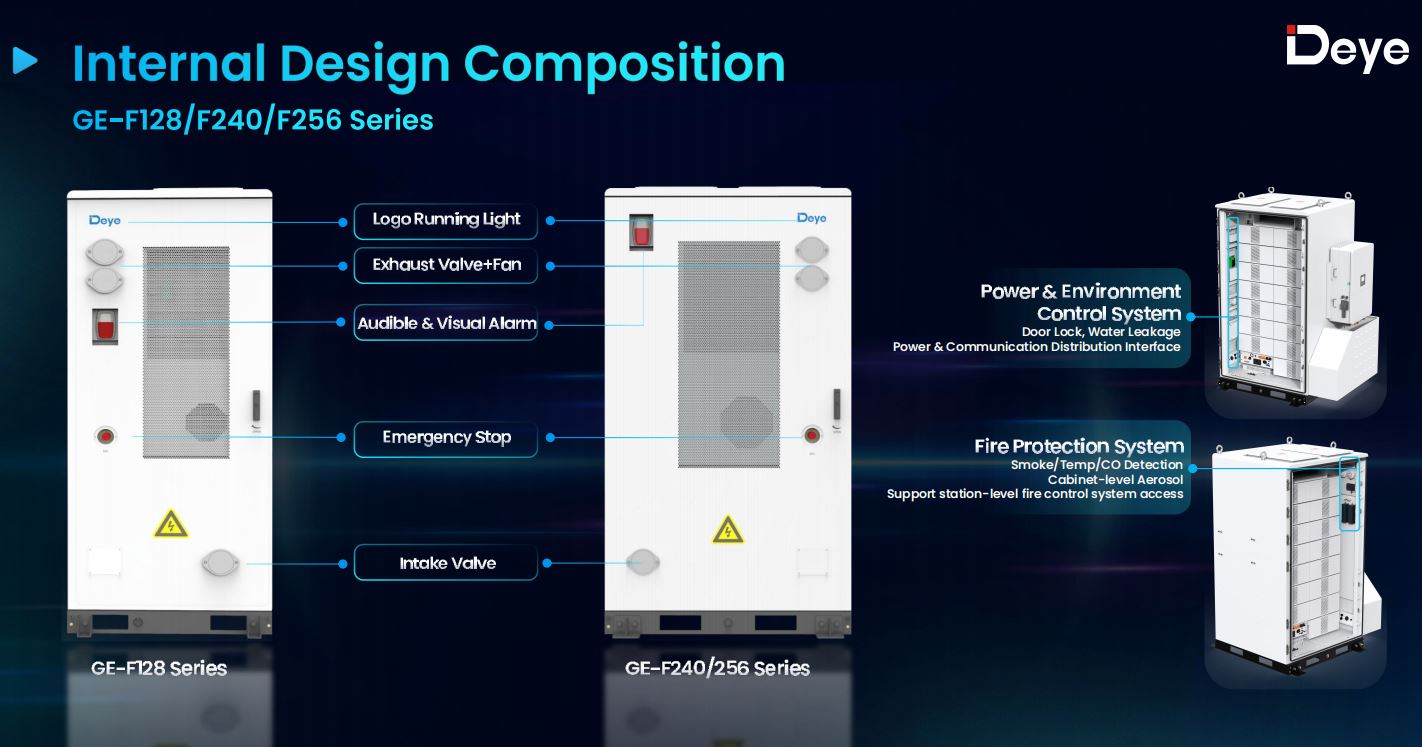
В каждом шкафу используется трехуровневый — ячейка, модуль, блок — прецизионно смоделированный воздуховод для кондиционирования воздуха, приводимый в действие кондиционером мощностью 3 кВт на GE-F128 и блоком 5 кВт на GE-F240/256. В результате максимальная разница температур между ячейками составляет 6°С , по сравнению с 10°C в предыдущем поколении, без снижения выходных характеристик при температуре окружающей среды до 45°C. Более узкий температурный разброс означает, что каждая ячейка в аккумуляторе стареет примерно с одинаковой скоростью, а не несколько горячих точек изнашиваются раньше времени и снижают общую полезную емкость аккумулятора задолго до того, как остальные элементы подходят к концу срока службы.
180 А в непрерывном режиме, 285 А в пике — без дополнительного снижения номинальных характеристик
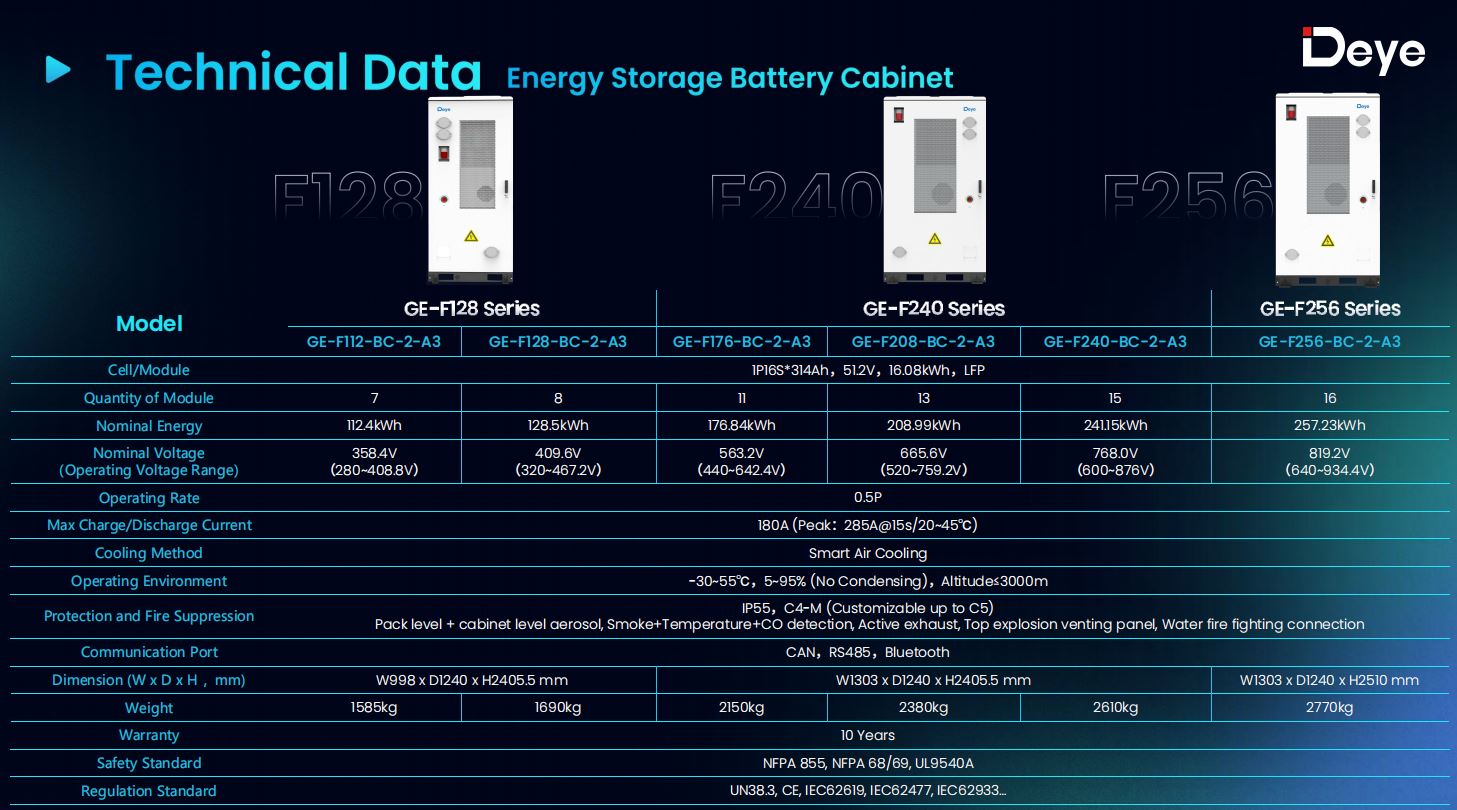
Более крупные ячейки также повышают потолок тока, который может выдержать батарея, не вызывая непропорциональной нагрузки на отдельные ячейки. Все шкафы серии GE-F — от GE-F112 мощностью 112,4 кВтч до GE-F256 мощностью 257,23 кВтч — имеют один и тот же диапазон тока: 180 А непрерывно, 285 А пиково в течение 15 секунд при 20–45°C , при рабочей скорости 0,5P. Такая согласованность важна для проектирования системы, поскольку она означает, что применяются одни и те же предположения о зарядке/разрядке независимо от того, начинается ли проект с одного статива GE-F128 или масштабируется до стека GE-F256 из нескольких шкафов.
Для сравнения, конкурирующие шкафы с воздушным охлаждением, построенные на элементах меньшей емкости (обычно 280 Ач), обычно имеют максимальный ток около 130–140 А, с более широким разбросом температур элементов и более низкими порогами отсутствия снижения номинальных характеристик около 40 °C. Разрыв становится ощутимым на горячей крыше или погрузочной платформе в середине летнего дня — одна система поддерживает полную номинальную мощность, другая тихо дросселирует.
Одна ячейка, шесть конфигураций шкафа
Поскольку каждый шкаф GE-F построен из одного и того же модуля мощностью 16,08 кВтч, номинал в 8000 циклов применяется единообразно для всей линейки, а не является заголовком для одного флагманского SKU:
- Батарейный шкаф для установки вне помещений GE-F112/128 — 112,4 кВтч и 128,5 кВтч, построенные из 7 или 8 модулей
- Серия аккумуляторных шкафов для наружного применения GE-F240/256 — охватывает GE-F176 (176,84кВтч), GE-F208 (208,99кВтч), GE-F240 (241,15кВтч) и GE-F256 (257,23кВтч), от 11 до 16 модулей
На все шесть конфигураций распространяется одинаковая 10-летняя гарантия и одинаковые сертификаты UN38.3, CE, IEC62619, IEC62477 и IEC62933, поэтому выбор уровня мощности — это исключительно вопрос требований к энергопотреблению на объекте, а не компромисс с качеством ячеек или ожидаемым сроком службы.
Что это означает для расчета 10-летней совокупной стоимости владения
Рейтинг срока службы приводит к реальной экономии только в том случае, если он сочетается с более низкой стоимостью ввода и системой охлаждения, которая действительно может обеспечить отсутствие снижения номинальных характеристик в полевых условиях - в противном случае это лабораторный показатель. В серии GE-F все три совпадают: архитектура элементов емкостью 314 Ач снижает стоимость единицы продукции на 15–25 % в зависимости от размера шкафа, температурный разброс в 6 °C защищает номинальный ресурс в 8 000 циклов от снижения из-за деградации в горячих точках, а порог отсутствия снижения номинальных характеристик при 45 °C означает, что номинальное количество циклов достижимо в реальных условиях на открытом воздухе, а не только в лаборатории с климат-контролем.
Для системных интеграторов, определяющих мощность 100–300 кВтч. аккумуляторная система хранения энергии для проекта C&I , эта комбинация смещает расчет с «какая батарея сегодня самая дешевая» на «какая батарея еще будет иметь значительную емкость через 15 лет». По крайней мере, на бумаге серия GE-F положительно отвечает на этот вопрос.
←
Солнечные панели для зарядки электромобилей: настройка системы, экономия и необходимые панели
→
Шкаф для внешних батарей Deye серий GE-F128/F240/F256: Руководство по C&I ESS для небольших масштабов
сопутствующие товары


Решения
Компания
Контактная информация.
 +31610999937
 [email protected]
 Де Верф 11, 2544 EH Гаага, Нидерланды.
QR код
© 2023. Все права защищены. Uni Z International B.V. VAT: NL864303440B01 Все права защищены
